
Validation through Tragedy
There is a responsibility on God’s people that sits right at the heart of the Abrahamic covenant: to build, maintain, and defend a just, stable, and responsible society. Every revelation, every prophet, every covenantal renewal comes back to this. It is never simply “feel something about suffering somewhere.” Covenant is not a mood. It is a mandate.
In the Tanakh, the Israelites are repeatedly commanded to establish justice in their own gates, to uphold the widow and orphan, and to purge corruption from among yourselves (Deut 16:18–20; Isa 1:16–17). The community is the locus of responsibility. Their first duty is their own house, their own land, their own moral order.
In the Gospel, Jesus reaffirms this by critiquing performative righteousness. He condemns those who love “to be seen by men” for their displays of piety (Matthew 6:1–5). Again, the focus is on the substance of righteousness within one’s actual community, not theatrical global concern that costs nothing.
In the Proclamation (Quran), the same ethic is sharpened further. God commands: “Fight those (evil) in closest proximity to you” (Q 9:123), and describes the loyal as those who repair the land, not corrupt it (Q 2:11, 7:56). The prophetic model is local covenantal responsibility first, because society collapses from within long before external enemies arrive.
That’s the covenantal worldview.
Now look at the opposite culture that dominates modern Muslim identity: causism. A global scavenger hunt for causes, hashtags, tragedies, and crises from which they can absorb emotional purpose.
Their “religion” orbits around feelings: feeling outraged, feeling righteous, feeling sympathetic, feeling morally energised by other people’s disasters.
Muslim activism in the West rarely produces moral societies or stable communities. This isn't a criticism, it’s sociological reality. Why?
- There is no coherent narrative of a moral society. Beyond slogans like “justice,” “feed the poor,” “stand with the oppressed,” there is no actual civic blueprint nor definition for these terms. No covenantal structure or worldview of responsibility. Just atomised moral instincts with no architecture. It’s compassion without construction, virtue-signalling without virtue-formation.
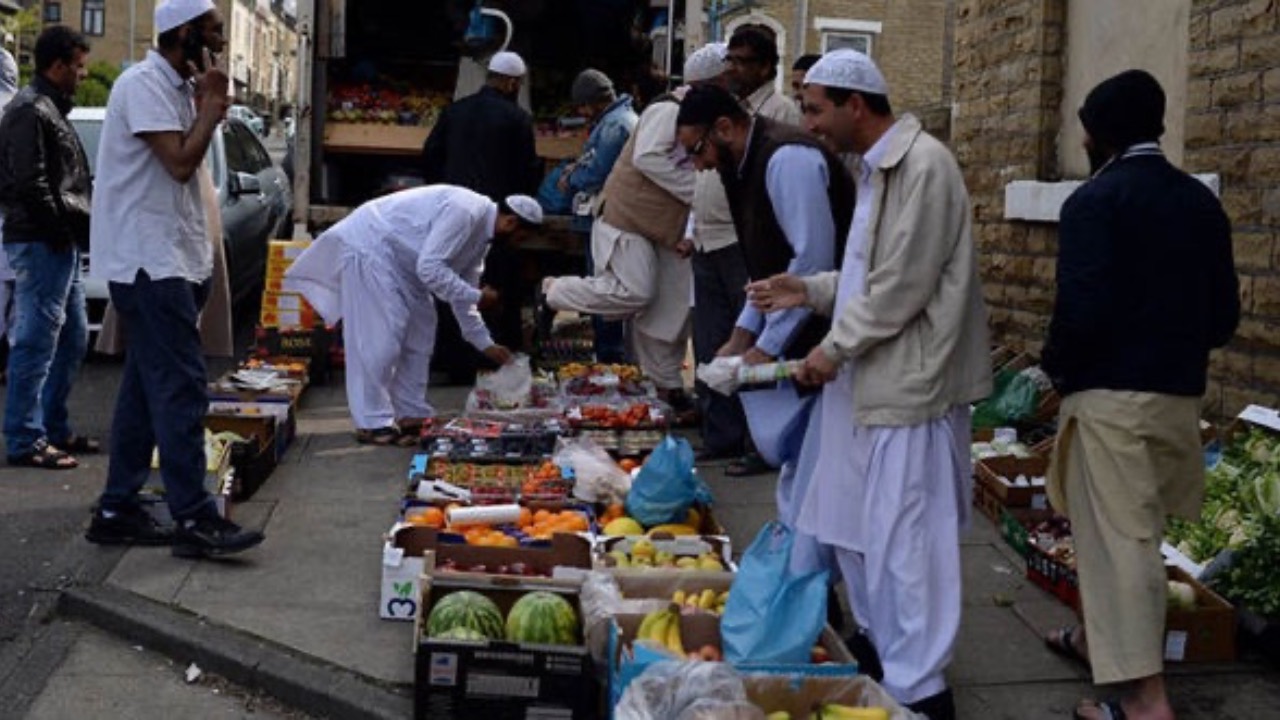
- The sociological truth is that British Muslims aren’t an actual community and my friends both emotionally and desperately clinging to idea need to give up lol. Muslims are ethnoreligious population groups, exactly as Jews and Sikhs function. Ethnoreligious groups build what ethnoreligious groups build: ethnic enclaves, not covenantal societies. We have many of them in the UK. The entire infrastructure of “Muslim community” is basically cultural preservation built on immigrant anxieties, not the restoration of God’s order.
When it comes to rhetoric, ethnoreligious Muslims love the feeling of prophetic inheritance. They like to feel virtuous by attaching themselves to global suffering. Like most humans, they don’t like the slow, boring, difficult work of building moral order at home because as ethnic groups, it doesn’t feel like home. They already have a “back home”. The UK is simply their country of residence. So there’s no resolving conflict, hygiene of leadership, discipline, communal political culture, communal security, justice within the gates, integrity in family, cohesion in neighbourhood.
It is a simulation of prophetic ethics, not the ethic itself.
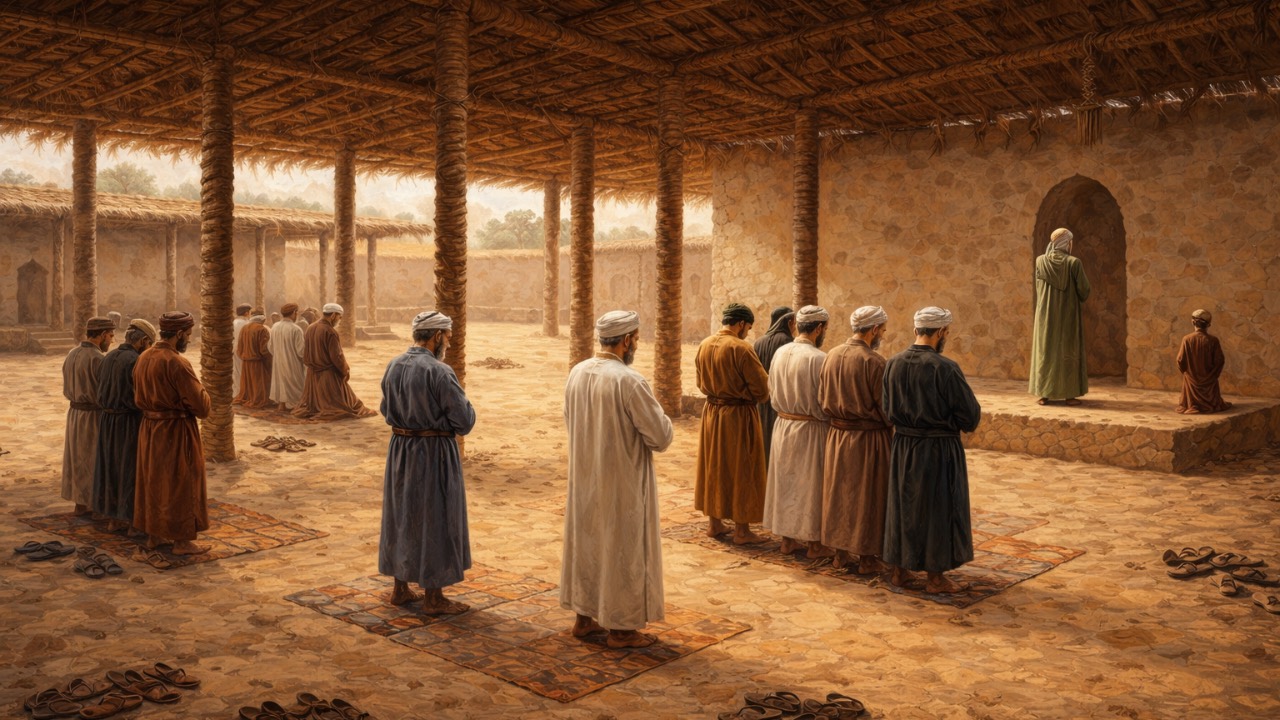
Look at God’s actual instruction in the Proclamation: repair the land you’re in, push back at the rot that’s nearest, cultivate productivity in your own community, and build a society where your children can live in gratitude, safety, and moral clarity.
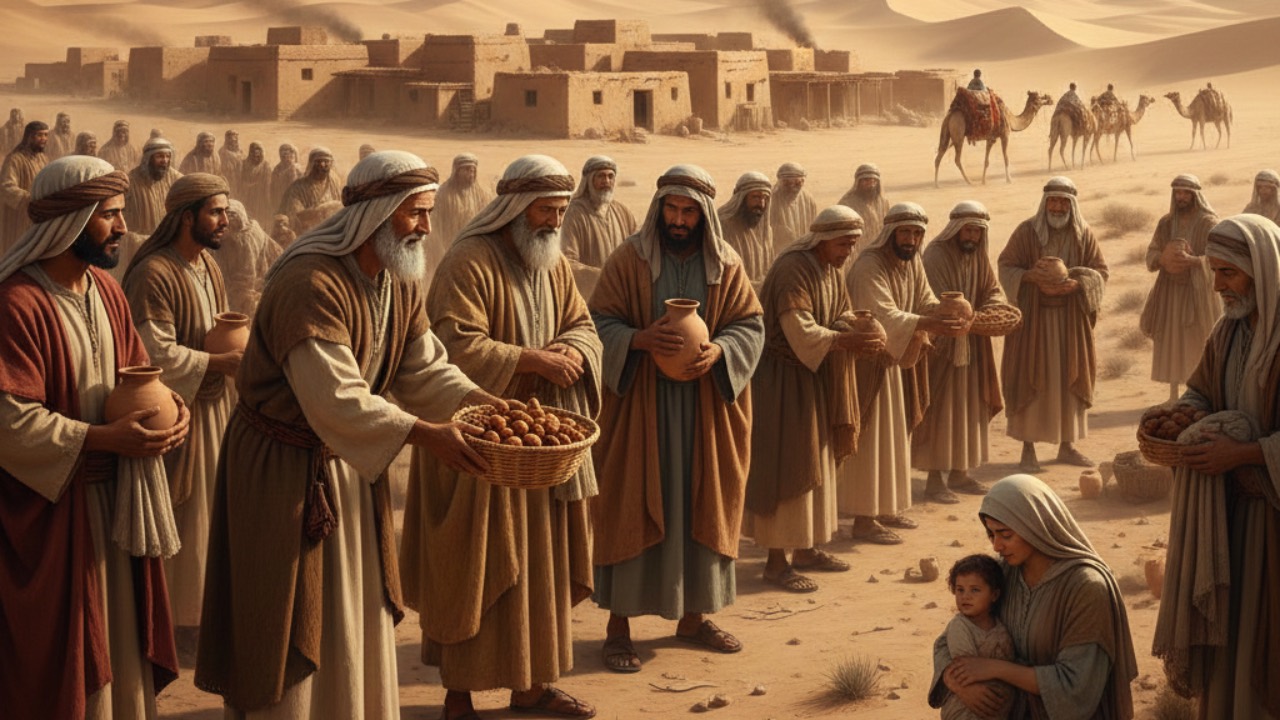
Look at the prophets. Abraham didn’t wander the earth searching for causes to feel righteous about. Moses didn’t run around collecting global injustices. Jesus didn’t operate by emotional scattergun charity.
- They built communities.
- They upheld law.
- They established moral order.
- They protected their people.
- They confronted internal corruption first.
- They restored covenant, not feelings.
For those of us who submit to God by upholding the Abrahamic covenant, this is the ethic we inherit. We don’t seek validation through tragedy. We don’t use distant suffering as emotional fuel. We don’t chase causes to feel superior.
We look at the rot closest to us. We repair the land we stand on. We build environments where gratitude to El’Lāh is breathable. We refuse the performance mindset. We choose the prophetic one.
If you live by that covenantal ethic, you realise something simple and profound: You don’t need global poverty porn to feel righteous. You need a community of the faithful that lives in obedience, justice, stability, responsibility, positivity and gratitude to God. That’s the actual prophetic path.
Remember: the world has always changed more through people who repair their own gates than those who chase distant storms looking for a photo of virtue.

Responses